Wednesday, November 2, 2016

A New View

I have spent 11 years (mostly) behind these ears.  

Together we have survived 14 years together and 10 years of business.  The good, the bad, and everything in between, you name it, Pie and I, have done it, and it has been the journey of a lifetime.  


And now I have a new view.


A new set of ears and new journey of a lifetime...


 ...just waiting to be ridden.  

Friday, October 7, 2016

Practicing What You Peach 2: Branding

A few months ago I wrote about practicing what you preach, and being sure that any animal you have in your care has the equipment and basic life skills to safely evacuate in event of a emergency. 

 And before the end of the year I completed my personal list by branding Brillo (companion mule) and pulling his coggins (on the rest of the herd's schedule, ensuring he'd be done each year in the future).


For 30 bucks and using one of the clinic's brands I provided sweet little B a unique, life long, forever visible mark (freeze brand- an 8 sideways/infinity sign).


Branding greatly reduces his chance of theft, while greatly increasing his chances at recovery.  

Brillo is no longer just a little donkey looking mule, he is a little donkey looking mule with a brand (something anyone can look for).  And his brand also helps to prove my ownership (in addition to his veterinary paper work since he doesn't have registration papers).

Even if you don't want to shell out $100-$200 on a custom brand (like the one on my mare above) you can still provide your beloved horses a permanent mark of "peace of mind". 


Sunday, September 25, 2016

PSA-Sitting on a Tied Horse, Don't Do It

There are few things that make me cringe more, than to see or hear about someone getting on a tied horse.  

In my opinion it is absolutely one of the most dangerous things you can do (or let your kids do).

But why is it so dangerous?  

Because,

Life is unpredictable (I once had a tree fall out of nowhere while riding).  

Horses are very large, instinctive, and reactive prey animals (even you're bombproof 30 year old).

If and when a horse spooks, not being able to move freely often adds to the intensity of the original spook because not only are they scared but are now unable to get away.   

Physics.  When a 1000lb animal suddenly hits a rope tied to something solid you are in a position to be; rolled over on/stomped in the frenzy, or be thrown head first into a tree, trailer, etc on the rebound if the rope doesn't break. 


So the next time you consider getting on (or putting someone else on) a tied horse, remember that your horse needs you (to feed him) and you can't do that very well from the hospital bed or worse. 


Saturday, September 17, 2016

Fall Is Just Around The Corner- Prepping for Winter

It will be Fall in just a few days.

And while most of us are still feeling the dog days of summer, now is the perfect time to prepare for winter.  Here are a few things to do in the next few weeks to help make the seasonal transition smooth and easy on you and your best friends.

1.  Check your water heaters and be sure they are working.  And consider buying one if you don't have one, they are awesome for encouraging steady water consumption.  Even if you only have freezing temps few times a year like I do, you'll sleep much better at night knowing the tough is a drinking temp.

2.  Check your blankets, and confirm they are indeed still waterproof before it's miserable out.  And check blanket fit too, especially if you have young growing horse(s).

3.  Consider your horse/ herd's health.  Older and younger horses may need extra blanketing, feed, hay, and or separate feeding/housing arrangements.  If your horse is in less than ideal body condition take measures to correct it before the dead of winter strikes.

4.  Check your own personal gear.  Locate your jackets, long johns, and gloves and check there condition.  When the water line breaks in the first major storm you'll be happy to have your gear in ready to go shape.

5.  Check your trailer, truck, and coggins.  Since fall marks the start riding season now is a great time to go ready to go.  Keeping a copy of your coggins on your phone can

6.  Clean your brushes, saddle, and saddle blankets.  After a summer of sweat, grim, and fly spray they deserve it and your horse does too.  And regular cleaning throughout the year will help cut down on skin conditions especially if you groom/ride multiple animals.

How to clean your brushes.
How to clean your saddle pads.


Thursday, September 15, 2016

What I Really Get Out Of A Clinic

I started the 3 year old Mozzie Man this month.  We are a few rides in due to life and rain but I am already seeing the foundation that attending clinics all his life has provided.


At 3 years of age he knows how to spook responsibly.

He knows how to spend the day tied, away from his friends, work around strange horses, and stay overnight in a pen or high tie.

Because of the clinics and the challenges they present (every time) he knows how to work through an obstacle.  

Because of clinics he has confidence in people and seeks/listens to their guidance.

Because of clinics he can quickly refocus on a task after an upset/distraction.

Because of clinics and his exposure to dozens of spooky things he is confident and bold approaching new challenges.

Because of clinics I have a fairly well seasoned horse for his age.

But what about clinics makes them so beneficial that I excitedly go back time and time again?

Because you get do it "all" at a clinic.

Because you get to catch, load, travel, arrive at a new location with lots of other unknown horses, log hours of riding time in a training environment, do group and solo exercises, take a lunch break and tie (or pen) for it, and do it all again in the afternoon. Stay for the night in a new place among new people and animals or haul home, and get up and do it all again for two days or more.

Because what I really get out of a clinic is a chance to do it "all" in a encouraging and understanding environment.

Because I've found that doing it "all" always makes a better horse.


Wednesday, September 14, 2016

Practicing What You Preach


Now even the little shetland john mule Brillo I picked up this year has a halter ID tag, microchip, and fly mask for the trailer (to protect his eyes from airborne debris). 

Even though Brillo is just a pet (at the moment) he is still my animal and he should be as prepared for life as the rest of herd. 

If you would want to take them with you in the event of fire, flood, or would want to treat them in an medical emergency, then it your job to be sure your pasture pets have the training (at least catch, lead, load, tie) and the gear to keep them safe before an situation occurs. 

Friday, August 5, 2016

Ride with a Whisper


Remember that your horse's ultimate reward/ release under saddle is when you say nothing at all.


So keep your good horse honest and never pass up a good chance to reward his effort by being quiet in the saddle.

Thursday, July 21, 2016

Why I Won't Be Riding At The Beach This Summer

My friend was in town last week and was talking vacation plans when she asked me about riding at the beach as part of the fun.

And all I could think about was the numerous cases of flesh eating bacteria being reported from the Gulf of Mexico in the recent weeks.

https://mic.com/articles/148638/flesh-eating-bacteria-in-texas-2016-update-vibrio-vulnficius-and-necrotizing-fasciitis#.4Pa5cM0Pm

http://www.foxnews.com/health/2016/06/21/mans-leg-amputated-after-contracting-unidentified-flesh-eating-bacteria-at-texas-beach.html

http://latino.foxnews.com/latino/health/2016/06/27/texas-man-infected-with-flesh-eating-bacteria-at-beach-second-case-in-june/

I can only imagine the potentially life threatening damage and subsequent vet bill that would be involved for a horse.

Not to mention the summer crowds are a pain away with the 100 degree days, fishing lines, kids, and dogs to worry about.

So I will save my beach ride for the off season.  October is quite pleasant from the back of a horse.


Monday, July 4, 2016

Surviving Summer- Tricks and Tips for Keeping Your Horse Safe and Cool in Extreme Heat

Based in Texas, the summer heat is not something to be taken lightly.  But by knowing the signs of heat stress and following these tips you can keep your best friend safe and healthy this summer.

1.  Know the signs of heat stroke in horses.
  • Restlessness/Lethargy
  • Rapid pulse and breathing
  • Heavy breathing
  • Increased sweating
  • Excessive salivation
  • Redness of the tongue and oral area
  • High body temperature
  • Erratic heart beat
  • Muscle spasms
  • Stumbling 
  • Collapse

2. Know your  horse's normal vital signs and how to read them. How to take a horse's heart raterespiration, and other vitals.


3.  Monitor water intake and be sure your troughs are not in direct sunlight as much a possible, and consider freezing some giant ice ice cubes and adding to your trough as a summer treat.

4.  Heat plus humidity equals sweat and too much sweating can quickly put your horse in danger.  Add minerals and electrolytes to your horse's daily ration.  If your horse will not to eat the electrolyte power try mixing it with apple sauce or other yummy disguises.

5.  Know your horse's daily habits/patterns.  When he naps and when he usually drinks.  Knowing your horse's regular schedule can help you to identify an issue early on and greatly aid in a complete recovery.

6.  Stay on top of possible dehydration with a daily skin test, and if you are concerned about dehydration speak with your veterinarian and withhold grain/feed (which could further dehydrate and cause colic).

7.  Monitor pink skinned horses for sunburn and apply sunscreen, diaper rash cream (zinc oxide), and or protective masks and sheets as needed.  In some cases a horse may do best stalled during the day and turned out overnight. All horses can be affected by photosensitivity caused by toxic plants.

8.  Give them a shower, but be sure to scrap the excess water off.

9.  Be sure your horse has access to shade.  In a barn environment install fans when ever possible but be sure that they designed for outdoor/barn use.  Misting systems are also great way to help keep your horse cool

And last of all.

10.  Listen to your body, and take proper measures to ensure you also stay safe this summer.


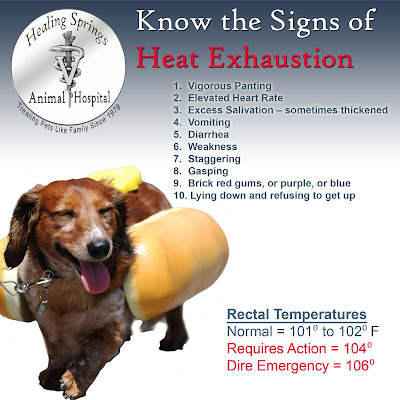
And for the barn buddies.

Image result for heat stroke in dogs


Image result for heat stroke in cats


Tuesday, June 28, 2016

Insert Worst Case Scenario (Here)

We've all heard the saying, "Horse's are like potato chips, you just can't have one."  

And many equestrian households find themselves with an extra or few who don't do much more than look cute and panhandle for cookies.  The retired show horse, the unsound due to accident, the pity plea/ rescue, companion donkey, etc.  

These horses rarely see halter and often go years without stepping foot in a trailer, and this is completely fine 99.9% of the time until there is a...

Fire, flood, major injury...

Insert worst case scenario (here).
 
Could you quickly and safely catch (and have the equipment to do so), and load your less handled equines in the event of an emergency?

Do you have proof of ownership in the form of brands, coggins/vet bills, registration papers, microchip, and or photos of you and your equine together in the event they get lost, have to be left at a emergency shelter, etc?  

Disaster waits for no one.  So be proactive.

And be sure even your extra horses have basic handling skills (catch, lead, load) and practice them occasionally before calamity strikes.


Friday, June 10, 2016

Frustrated With Your Horse Life? PS: Your Horse Is Too

Frustrated: Feeling or expressing distress and annoyance, especially because of inability to change or achieve something, being prevented from progressing, succeeding, or being fulfilled.

If you are frustrated because your horse messed up on the 21st pivot, after 20 perfect pivots in a few min span. Your horse is frustrated that he gave you the 20 perfect pivots you asked for and his only reward was for you to ask for another. (Which now with his fumble has probably turned into a few dozen more).

If you are frustrated with your horse bucking at the canter.  Your horse may be frustrated that every time he picks up the canter your saddle digs unbearably into his shoulders and back and the only way he can get you to stop cantering is to start bucking.  

If you are frustrated your horse won't do (insert just about anything here).  Your horse is frustrated because he doesn't understand what you want,that you keep asking exactly the same way, and that when he does try to try you will not acknowledge his slightest effort in the right direction.

At the end of the day if you are frustrated, your horse is too.

And if you find yourself frustrated the best thing you can do is go to a trainer, clinic, very accomplished friend, and ask for a fresh set of eyes on the situation.    


Wednesday, June 3, 2015

Riding Smart- Weather Edition

As many of you know, have seen, and in some cases survived Texas has been flooding.

Over Memorial Day weekend 12 people lost their lives or are still missing and the true loss of pets, livestock, and wildlife is still unknown.  

Thanks to cell phone cameras and videos the events have been well documented and images are chilling and heartbreaking to say the least.   

                                               Not my video or content, Thanks youtube

Here are some things you can do to stay safer while out on the trail when dealing with extreme weather.

Before you go-

1)  Listen to the forecast-  If there is a significant risk for severe weather contact the event coordinator to be sure conditions should be safe and or reconsider your plans.  

2)  Know where you are going-  Sand, rock, or asphalt? River bottom or hill? Get a feel for the place or facility you are going to.  A quick google earth search is a great way to scope out a place.  If riding in a state or national park call the office and get their opinion of riding in that area under those weather conditions.

3)  Consider the terrain-   Rivers can expand hundreds yards in the matter of minutes (as seen in the video).  In addition to the specific area you plan to park and ride know what lies around you.  

4)  Consider the trails-  What effects could the forecast-ed weather have on the places you plan to ride?  Could the rocks be slick or water crossings boggy and dangerous?  Even if your campground is accessible is going out worth possible injury to yourself or your horse?      

Once there-

5)  Park and unload responsibly-  Park as high as possible and as close to the road as possible especially if you do not have 4x4 or have a very large and heavy LQ.  Once parked set up your outside camp sparingly if the weather looks questionable.  If you plan on leaving for several hours/ going to sleep pick up your outside camp to keep loading up to leave as quick as easy as possible.  

6)  Invest in a severe weather radio- Ideally two.  One for your trailer (especially if you camp) and another for your saddle bags.  Here in Texas as we have just seen the weather can change in an instant.  There are several quite small and light weight options available on the market (also almost all can charge your phone as well), and try to get in the habit of checking the weather at noon (or more often if needed) especially if you are alone (or in a limited group) and in a isolated area.  

And most importantly...

Use your best judgement in regards to riding and camping even if event coordinators say rain or shine.  In the end it's your horse, rig, and at times life at stake.  It is better (and cheaper) to stay home and lose an entrance/competition/reservation fee than find yourself in a situation like above.      


Wednesday, February 25, 2015

Why I am not starting my 2 year old this year

Spring is just around the corner and the sale ads are up with 2013 horses already started, and many with several months of riding already under their belt.

Mozzie Man will officially be two in April.

It is amazing how the time flies, and even though I can't wait to get on him I am waiting until he 3.  And even then he will be started very lightly and not ridden a lot until his 4th year.

I am waiting because of research like this:

Timing and Rate of Skeletal Maturation in Horses


Looking at Moz and the horses offered for sale I see gangly awkward tweenagers.  

And that is what they are.  

Starting a 2 year old is like expecting a 12 year old to play college level football.    

At 2 years of age very little of a horse's skeleton is mature and by waiting 1 extra year over 50% of the skeleton and joints will be mature.  

Considering that I've already spent 3 years growing him up (in the womb, and on the ground) it seems silly to not wait just a little while longer for a horse that I hope to have, enjoy, and be physically sound the next 25+ years. 

If more people were willing to take the time and just wait one extra year I think the world would have a lot more sound (without supplementation and medical intervention) horses at 6, 12, 20, and 25 years of age.


Monday, February 16, 2015

The Problem With Pride

Last week I took the 22 month old Mozzie to be branded while over 8 months pregnant.

I cheated and used a bucket of feed to load him.  

Could I have loaded him without feed?  

Yes.  

Should I have tried to load him without feed?

No, Not home alone with a belly 16ft in front of me, less than stellar balance, and the agility of a sloth.  Especially when I knew I could get him in the trailer like dream with a little belly persuasion.

Horse people are often described as stubborn and with the title of "horse trainer" I am no exception, but there are just times when a person shouldn't pick a potential battle with their horse.

Sometimes to go ahead to put your pride aside include:

When you are seriously physically compromised.

When you are seriously exhausted physically or mentally.

When you have a serious timeline that must be followed.

When your horse is injured or otherwise unfit for a potentially long lesson.


Of course ideally you should not "cheat" if the battle has already begun.

If you start it one way, you must finish it that way (as long as it can be done safely, and even then it is better to cheat and win than not win at all).

Which is why some days it is better to never start it (the potentially hard way) at all.    


Tuesday, February 3, 2015

Cookie Power (Gotta Get Paid)- Don't Be A Bill Lumbergh


You go to work everyday because you get compensated for your effort.  

If at some point you didn't get paid appropriately for your time and effort you'd quit.  


Your horse feels exactly the same way.  

Halters, saddles, and trailers all signal one thing to our horses. 

Work.


I give cookies for being caught, at times for being saddled, and for loading in the trailer in addition to almost always having a few extra to be used as reward for whatever is hard for that individual horse.


Just imagine your disappointment of being told that you have to work on Saturday.  It would be just a little bit more bearable if right after the announcement you were told that they would be bringing in lunch.

Quitting (see a ton of other posts here) is good, but that physical compensation for doing something unpleasant at the right time means even more.  

Can I catch, saddle, and load my horses without a cookie?

Absolutely.

But that little reward keeps them willing, and helps to keep them from getting a case of the Mondays.


And can help avoid a total equine meltdown.


For those not familiar the images from today's blog came from the cult classic movie Office Space.


Disclaimer-
Please note that I use cookies as a training tool.  I do not (except on very rare occasion) give cookies other than as a reward for effort/good behavior.  Any nosiness or expectation of a cookie is corrected immediately.  

Wednesday, January 14, 2015

"This is your captain speaking..."

"This is your captain speaking..."

Imagine you were about to board a tiny plane to fly across the Himalayan Mountains in inclement weather, and while waiting to board your captain walks up and introduces himself.

He is nervous, tense and down right jumpy, eyes darting around, his handshake limp and damp.  He stutters and bumbles through his pre flight speech.  Using phasing like; "I think", "maybe", and speaks of how he's never seen such weather and how he has only flown this plane one other time.

Now imagine the same scenario but this time the captain calmly walks up, introduces himself in a cool and collected manner.  His handshake is firm and he stands tall as he discusses the upcoming flight.  He uses phases like; "we will", and "I can", and shows little excitement and regard for the outside storm.

Who would you rather fly with?

If you were forced to fly with the nervous captain you would probably (and rightly so) be on edge the entire flight.  And if you flew with the confident captain you might be a little on edge during the turbulents but in general you would feel that your life were in capable hands.

You horse feels the same way about you.

Every time you approach your horse you are approaching as his captain.  Your energy and confidence  or lack there of directly affects the outcome of your ride.

Be strong and be confident.  Be the captain you'd want to fly with.  

Wednesday, January 7, 2015

The One Winter Weather Investment You Will Never Regret

It's cold outside by Texas standards.  We are in the middle of what could prove to be our first icy event of the year so tonight I pulled out the best thing I've bought in a long time.

A water trough heater.

A special order item for my area, one can be found online with numerous retailers.

You can get them for any size trough, or buy a actual heated bucket if you stall.

Not only does having one save you the headache of breaking ice, but they also help to prevent colic and keep your horse hydrated (by keeping the water a inviting temperature).

Even if you only have a few serious cold snaps a year a trough heater can pay for itself with piece of mind with it's very first use.


Tuesday, January 6, 2015

Free Educational Opportunity- Equine Nutrition Course

Start your new year off right and sign up for a free 5 week equine nutrition course offered by the University of Edinburgh.

Click here Equine Nutrition Course for more information and to sign up.  The course starts in just 19 days.  I hope that you will join me.   

Wednesday, December 17, 2014

Equestrian Momma

It's a fact of life, horse crazy girls become horse crazy women and many of those women will also become mothers. Given the time consuming and demanding nature of horses and kids, the thought of juggling both in addition to everyday life can be beyond intimidating. But I am here to let you know that it is possible to do it all and enjoy it too.

There are many things you can do before, during, and after your pregnancy to help you make a smooth transition from Equestrian to Equestrian Momma.

Before Your Pregnancy

Plan Ahead- It takes years to raise and train horses, and kids are like horses it is really hard to have just one. So once you start your family you may find yourself out of the saddle on and off for more than a few years making consistent miles horseback few and far between. If you plan on becoming pregnant take stock in your herd and decide the best plan of action for you, your horses, and your future child. This may mean putting horses in to training to keep them going while you are out of the saddle, leasing, or even selling or re homing depending on your personal situation.

Ground Manners and Respect- The most important thing you can do before or during your pregnancy is to teach all of your horses excellent ground manners. Ideally all your horses should be easy to; feed, catch, handle, and load. Speaking from experience the last trimester you tend to lose all sense of balance in addition to not being able see your feet. Depending on your delivery method and circumstances doctors often restrict strenuous activities for 6 weeks to even a few months after delivery. Either way you will not be 100% for several months and having horses that are respectful and responsive will make things so much easier for you and your possibly less than horsey family and friends. Well mannered horses will also allow you to get your independence back sooner, by allowing you to do basic care activities with your baby.

Hidden Costs- If you do a lot of your own horse care you may find hidden expenses associated with your pregnancy. If you trim or shoe your horses, you may find it too awkward, painful, or dangerous as your pregnancy progresses. You may have complications and be forced to be on bed rest or even in the hospital. Either of which may require you to enlist the help of family and friends for your horse's everyday care needs and in some extreme cases may require you to move,from self care to full care if you board or from home care to a boarding stable.

During Your Pregnancy

Riding While Pregnant- Ultimately whether or not you ride during your pregnancy (or when you choose to stop) is up to you, your doctor, and your spouse. Everyone you know will have a opinion on the matter but in the end it is your choice and your risk. I personally rode lightly the first few months of my pregnancy, only on my most reliable horse, and only in a controlled setting (no public events). If you choose to ride during your pregnancy, consider that the only horse you have reasonable control over is the one your riding so where and when you ride matters. If you choose not ride during your pregnancy use this time to work on your groundwork and in hand training. Maybe school for a future lead line class.

Desensitize- The best way to juggle horses and kids (and create future equestrians) is to combine the two together. Kids are loud, noisy, and unpredictable so it is important that we teach our horses how to handle this stimuli. Groom your horse in a kid like fashion with sporadic and tentative touches everywhere... Screech and randomly jump. Dogs, cats, and chickens add a whole new element to teaching the horse to deal with unexpected commotion. Also consider attending a desensitization clinic hosted by a local professional or hiring a trainer to help your learn the desensitization process. Be sure to expose your horses to; strollers, rolling balls, and toys before you bring the baby down to the barn. Think ahead to how you plan on handling your baby around horses and start finding places were you can safely groom, feed etc, and still keep an eye on them. Of course desensitization is never a substitute for safety and common sense when it comes to kids and horses. But a less reactive horse is a joy for everyone no matter the age.

Get Help- As a whole equestrian women are a strong willed and self reliant bunch, but OBGYN's generally frown upon pregnant women unloading feed and stacking hay. So it is important you have someone close to you to help manage these occasional but necessary tasks. If you don't have someone willing to help consider hiring someone to be there on a as needed basis.

After the Baby

The Right Horse(s) Make It Easier- Kids are hands on creatures who want to do everything they can to be just like Mommy or Daddy. Having a horse or pony that your child can safely interact with from a early age can help foster a love of horses. A good kid's horse is quiet, not reactive/ spooky, all while still being responsive. A horse who won't move and do can kill a child's want ride just as quickly as one who behaves badly.

Don't Feel Guilty About Heading to The Barn-Let's just say your life is going to be turned upside down and will never truly be the same again. Don't let the new title of Mom take over your identity. Remember that you were originally a horsewoman (and probably have been one for years). You deserve to spend time with horses and you should not feel guilty about doing so. In my experience sunshine and horse hair are highly effective in preventing and treating postpartum depression and the grumpy baby blues. Talk with your spouse, family, or friends about babysitting a few hours a week and schedule yourself regular horse time. Taking a little time for yourself will benefit you and your baby big time.

Plan to Start Back Slowly- While pregnant I imagined getting right back to my normal horse life just a few weeks after delivery. Nearly 10 months after having my daughter I now realize that I will never have the same horse life again (thou I do look forward to an even more rewarding time in the future with my baby girl). While it is possible to still go and do great things; long hauls and overnight trips may be out of the question for several years. Schedule your events wisely, and cut yourself some slack (you just had a baby remember) when getting back in the saddle. If you use to compete or trail ride start small and stay local your first few events post baby so you can easily get back for baby's sake or your own.


While the trail through pregnancy and early childhood while having horses may seem daunting in the very beginning the good news is that kids only grow up and things only get easier. While you may be sacrificing parts of your horse life now, you hopefully will be rewarded with a life long riding partner for many years to come.....

Wednesday, December 10, 2014

Rescuing Responsibly

It only takes a quick scan of facebook, craiglist, or other numerous sites to find the same sob story over and over.

"I rescued him but I can no longer afford to continue his care/rehab."

These posts are a dime a dozen and it is easy to get caught up in the moment and head out to hitch up the trailer.

But are you really prepared for what rehabbing a rescue horse may actually involve?

Here are a few things to consider:

Can you reasonably isolate the rescue horse from the rest of the herd (no nose to nose contact) for several weeks to prevent the spread of infectious diseases to your own herd.

If the horse is a stallion are you able to afford to geld, and have the space to keep him completely separate from any mares for 1-2 months there after.

Are you financially able to fully vet out a rescue horse and do so for several months or even years?  What if they have a expensive condition to treat such as EPM?  Are you prepared to pay for treatment or euthanasia?  Expensive farrier care or other specialized treatment?

Are you financially prepared for if the rescue horse hurts himself under your care or causes severe injury to another member of your herd?

Can you commit to training (DIY or with a professional) said rescue horse for yourself or for potential adopters once they are rehabbed?

Do you have the knowledge and skill set to properly and safely handle a horse with a questionable background?

Do you have the space (at home, money for board, etc) to care for rescue long term?

Are you in a position in your life where you have the time (energy and ability) to handle the added work of a rescue animal?


Please note I am not against individuals rescuing and rehabbing horses.  I am against individuals getting in over their heads, endangering themselves and other animals, and rescued horses not receiving the proper care, treatment, and training to truly overcome their neglect.

If you would like to rescue but are not prepared to go at it alone consider supporting a legitimate rescue.

Horse lovers can support reputable rescue organizations with monetary donations, sponsoring specific animals, fostering, adopting, volunteering, to even helping with office work and the running of rescue, raising awareness for the group, etc. All you need to do is contact a organization offer what what you can.

Remember that rescuing responsibly means realistically only taking on what you can do alone, and supporting existing reputable rescue organizations with the stuff that you can't.